What Makes Structured Learning Different
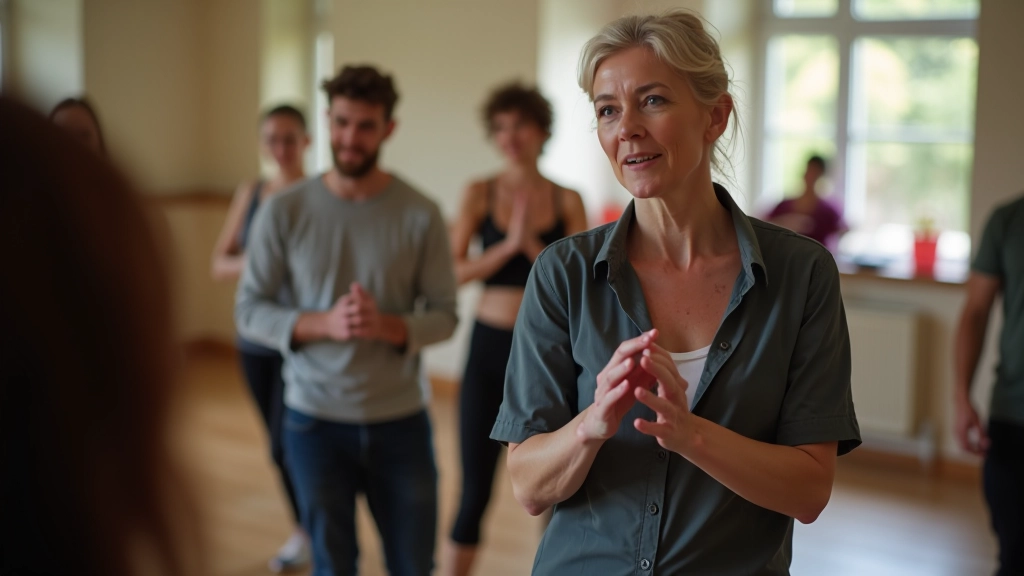
Most people think dance classes are just about learning steps. They're not. You'll notice something different happens when you show up to a real class with a coach who knows what they're doing — it's not just the footwork that changes.
We've worked with hundreds of adults over the years, from complete beginners to people who've danced casually for a while. The ones who actually improve fast? They're the ones in structured classes. There's something about having someone watch what you're doing and give you real feedback that makes all the difference.
Here's what we see happen: Muscle memory develops faster when you're doing things the right way from day one. Your body doesn't have to unlearn bad habits. You build confidence quicker because you understand why you're doing each movement, not just copying.
The Coordination Breakthrough
Coordination isn't something you're born with or without. It's trained. In a class, you're working on specific patterns — your feet doing one thing, your hips moving differently, your upper body staying relaxed. That coordination transfers to everything else you do.
We work with adults who come in saying they feel clumsy. After 6-8 weeks of twice-weekly classes, they'll tell you their balance improved, they trip less, they feel more aware of their body in space. That's not magic — that's repetition with good form.
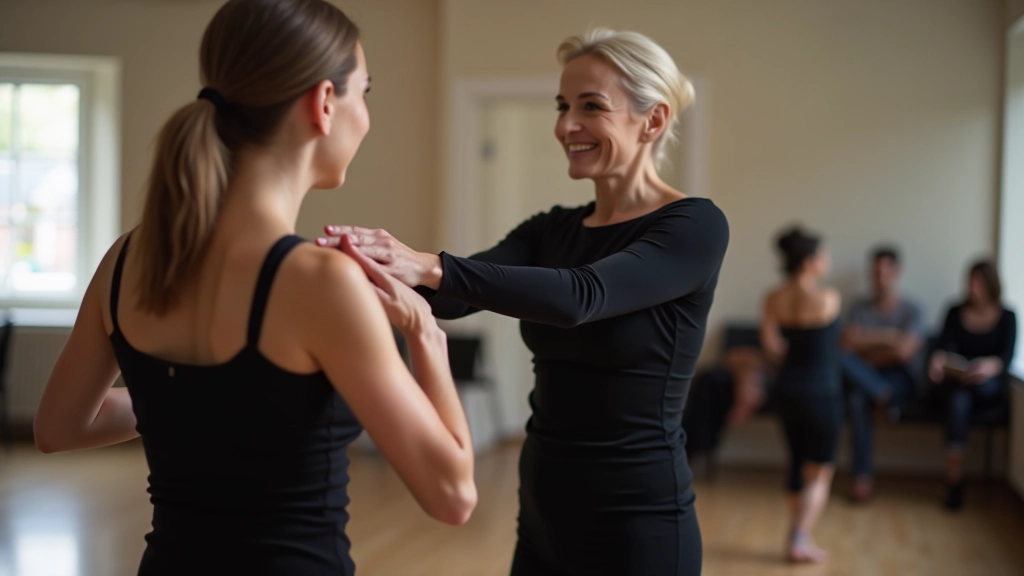
The key difference from dancing alone is feedback. A coach will notice if you're relying too much on your arms to balance, or if your core isn't engaged. Those small corrections add up fast. You're not just moving — you're training your nervous system to work more efficiently.
The Social Side Is Real
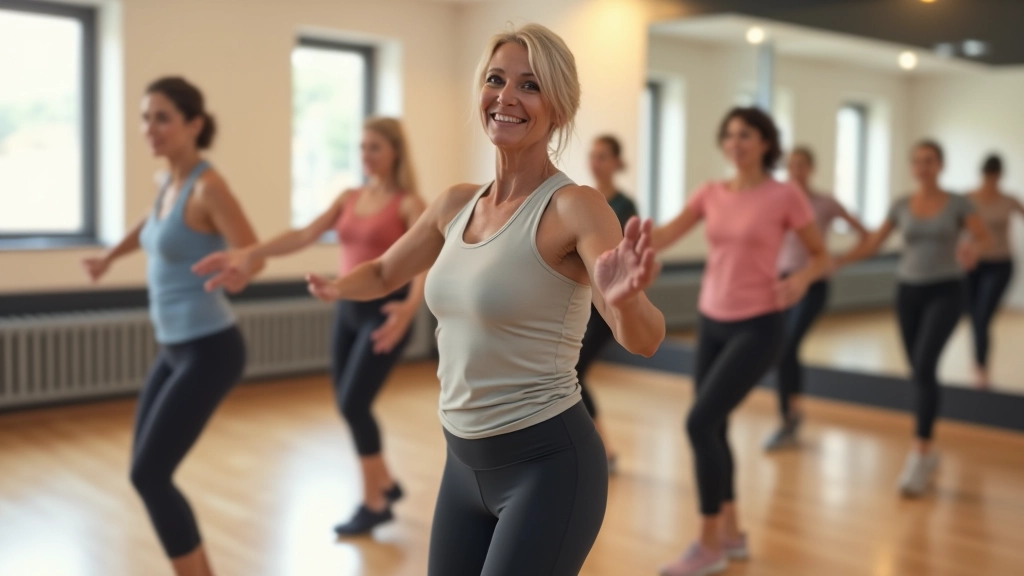
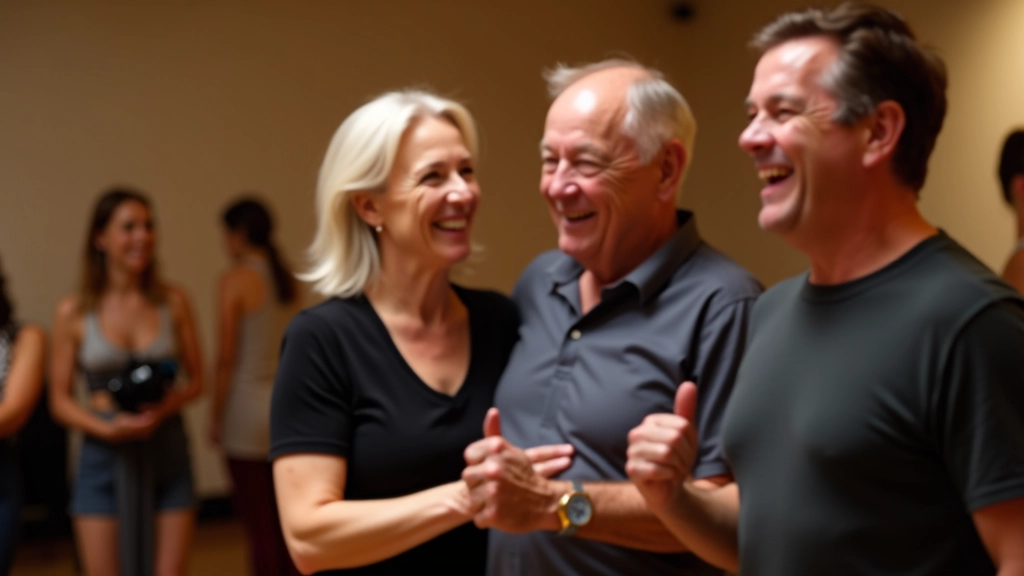
Don't underestimate this part. You'll meet people who are at exactly the same level as you, working on exactly the same struggles. There's no judgment because everyone's new to this.
In our Tuesday and Thursday evening classes, you've got people from different backgrounds, different jobs, different parts of the city. But for 90 minutes, you're all learning the same thing, laughing at the same mistakes, celebrating the same small wins. That creates real connections.
Plus, having a group waiting for you on Tuesday makes you actually show up. It's harder to skip class when you know people will notice you weren't there.
Building Real Confidence
Confidence isn't something you fake until you make it. It comes from knowing you can actually do something. Classes build that systematically.
1
Basic Steps
You learn the fundamental footwork in isolation. Just the feet, nothing else. Your coach corrects form.
2
Add Layers
You integrate hip movement, upper body position, connection if you're partnering. Each layer builds on what you know.
3
Combine & Practice
You do full combinations at tempo, sometimes with music. This is where it clicks — where you feel like you're actually dancing.
By week 4, most people can do a basic 8-count combination. That might sound simple, but you'd be amazed how much confidence that brings. You walked in unable to keep your hips and feet moving at the same time. Now you're doing it.
Educational Note: This article provides informational content about structured dance education for adults. Results vary by individual, commitment level, and prior experience. Dance instruction is most effective when combined with regular practice and proper technique. Consult with a qualified instructor for personalized guidance on your learning journey.
The Bottom Line
You don't need to be naturally talented to benefit from dance classes. You need consistency and good instruction. That's it.
Classes work because they combine three things: progressive skill-building, immediate feedback, and a supportive environment. You're not learning in isolation. You're not guessing whether you're doing it right. You're in a room with other people at your level, getting actual coaching from someone who knows how to teach.
If you've been thinking about starting but weren't sure it would be worth it — we're telling you it is. Your coordination will improve. You'll make real friends. And you'll be genuinely proud of yourself in a few weeks when you look back at where you started.
Ready to Get Started?
Explore our guide on finding the right class for your level and location.
Learn About Beginner Classes