
Starting Out Can Feel Daunting
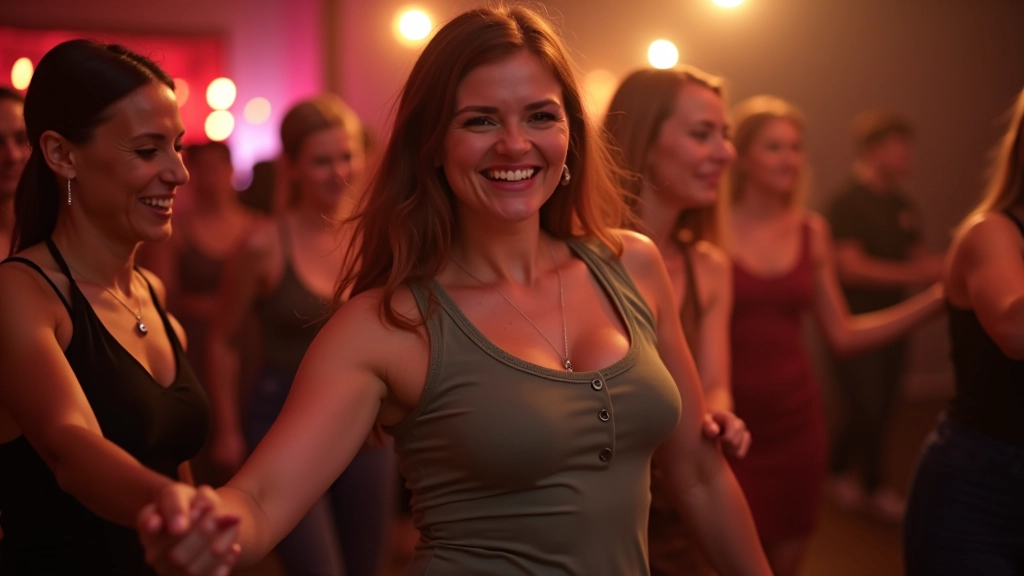
You've decided to try social dancing. Maybe you saw people laughing at a bachata night, or heard about the salsa scene in Cork. But walking into a new event alone? That's a different story entirely. You're thinking about what to wear, whether you'll look foolish, if you'll actually belong there.
Here's the reality: most people feel exactly the same way. And the good news is that dance communities across Ireland are genuinely welcoming. They're not exclusive clubs — they're just people who enjoy dancing and want others to join them.
Where to Actually Find Events
Social dance events aren't always advertised like nightclubs or concerts. They're word-of-mouth, Facebook groups, and sometimes just a sign on a pub door. Let's be specific about where you'll find them.
Dublin
The city has regular bachata nights in venues around Temple Bar and the Southside. Wednesday evenings tend to be busy. You'll find beginner-friendly sessions — they're usually labeled clearly. Salsa nights happen Thursdays and Saturdays. Check local dance studios' social media pages; they often post upcoming events.
Cork
Cork's scene is smaller but tight-knit. Salsa meetups happen monthly, sometimes more. The venues change seasonally. Your best bet is joining Cork dance groups on Facebook — that's where events get posted 2-3 weeks in advance. Networking here means you'll get direct messages about upcoming sessions.
Galway & Beyond
Smaller cities host events quarterly or monthly rather than weekly. Look for dance school announcements. These communities are genuinely small — once you go to one event, you'll hear about the next.
The Unwritten Rules (And Written Ones)
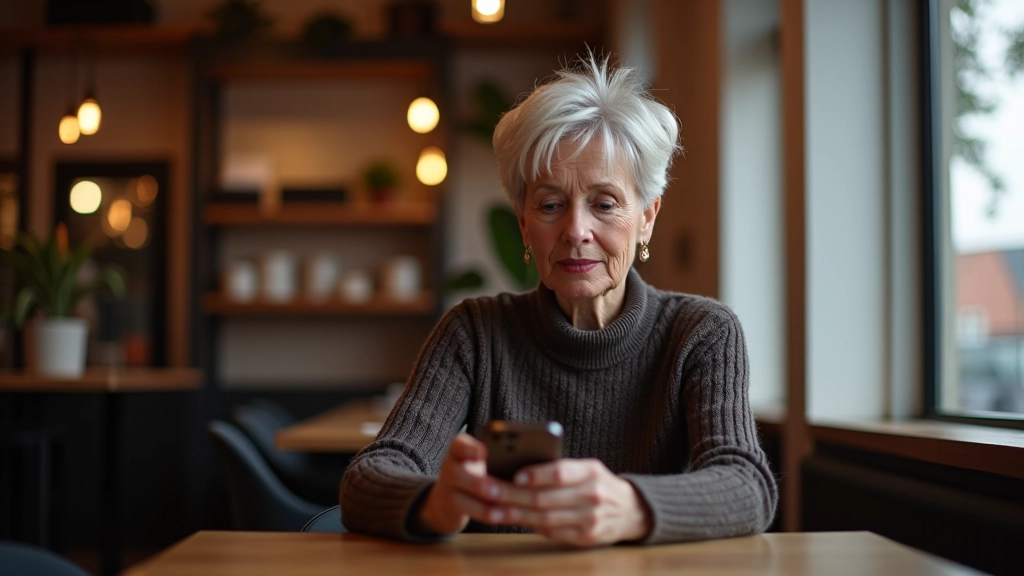
Every community has expectations. Most aren't strict, but knowing them helps you feel confident.
Asking to Dance
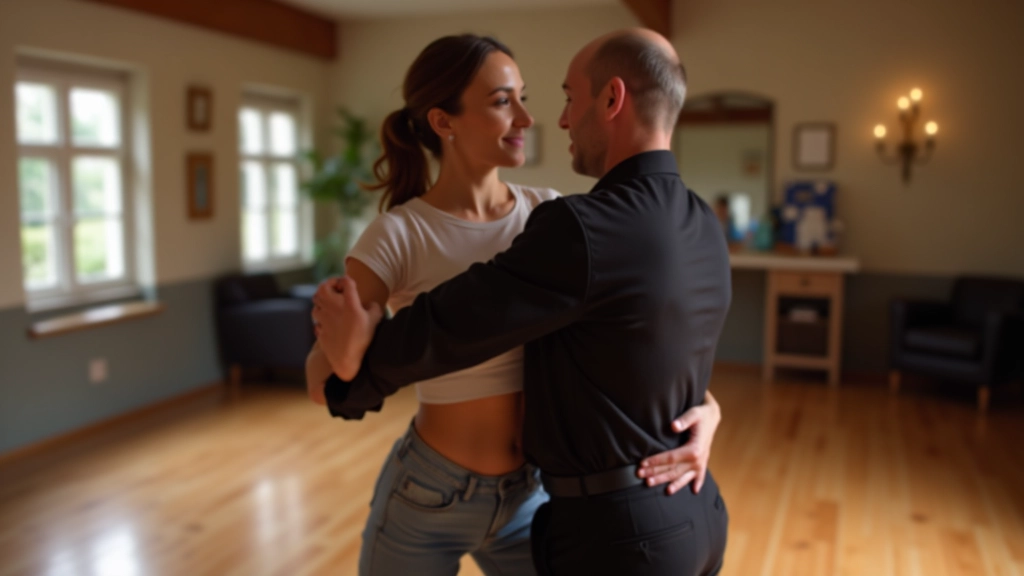
In most Irish venues, you approach someone and ask directly. A simple "Would you like to dance?" works. Don't overthink it. If they say no, that's fine — they might be tired or waiting for someone. It's not personal. Most people say yes more often than not.
Dress Code
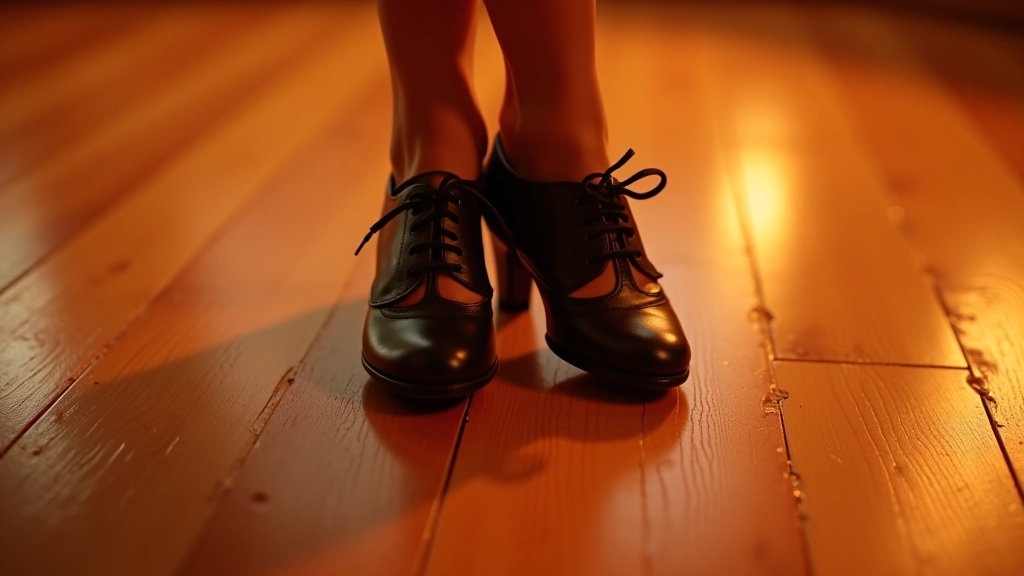
You don't need special shoes or outfits. Comfortable clothes you can move in — jeans, nice casual tops. Many people wear what they'd wear to the pub. Some do dress up for special events. When in doubt, go casual.
Arriving Solo
It's actually the norm. You're not supposed to stay glued to one friend. Come alone, chat with people at the bar, and you'll have multiple dance partners in one night.
Skill Level
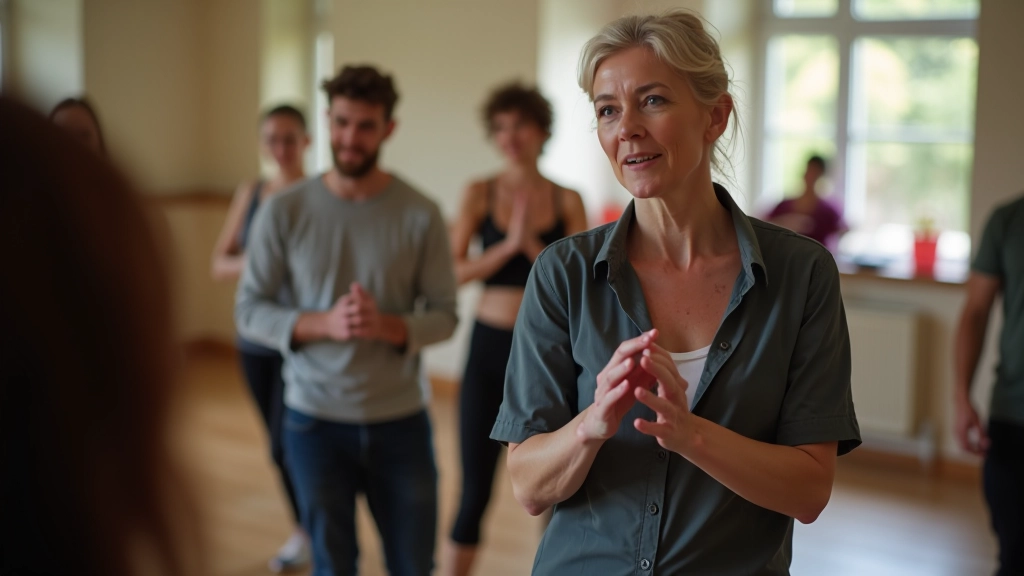
Beginners are welcomed and expected. Experienced dancers remember being new. You'll get patient partners. Nobody's judging your footwork — they're too focused on their own.
Building Confidence Your First Few Times
Your first event will feel awkward. That's normal. But by your third or fourth, something shifts. You'll recognize faces. Someone will wave at you from across the room. You'll know where to stand and how the evening flows.
1
Go Early
Arrive in the first 30 minutes. Venues are calmer, people are more approachable, and you can get your bearings. No crowded dance floor to navigate yet.
2
Introduce Yourself to the Organizer
Event organizers love seeing new people. A quick "First time here, excited to dance" opens doors. They'll often introduce you around.
3
Dance with Different Partners
Try three different people that first night. You'll get a feel for different styles. Some leads are gentle, some are more energetic. That variety helps you adapt.
4
Give It Three Times
Don't judge the experience on night one. Go back. Most people feel more at ease by their third event. That's when community actually starts to feel real.
What Makes These Communities Special
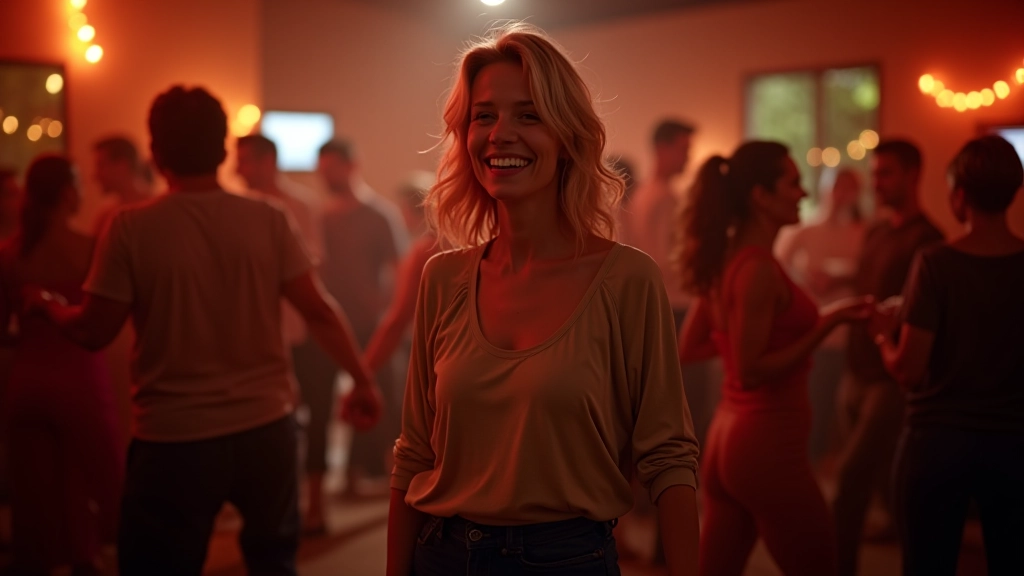
Dance communities aren't just about the dancing. That's honestly the smaller part. They're about connection. You're learning something new alongside people who get why you're doing it.
Low Pressure
Nobody's competing. There's no performance aspect unless you choose it. You're dancing for yourself and the person in front of you. That's refreshing.
Age Diversity
You'll dance with people aged 25 to 70. That mix creates something special. Everyone's at different life stages, different skill levels, and it somehow works.
Actual Friendships Form
You'll end up grabbing coffee with people you met on the dance floor. It happens naturally. You've got something in common from day one.
You're Always Welcome
Miss three weeks? Come back. Nobody asks where you've been. You're just welcomed right back in like you never left.
Practical Resources to Get Started
You don't need much to show up. Here's what actually helps:
- Facebook groups: Search "Salsa Dublin" or "Bachata Cork" — events are posted in comments and pinned messages.
- Dance studio websites: Local studios host social events. Check their event calendars.
- Eventbrite: Search by city and "dance" — you'll find listings, though not all events use it.
- Instagram: Follow local dance instructors — they post event photos and announce upcoming sessions in stories.
- Ask at bars and venues: Pubs that host regular nights will have posters or cards. The bartender usually knows the next date.
A Word About Safety and Comfort
This guide is informational. Every event is different, and venue cultures vary. We've described typical etiquette, but you're the expert on what feels right for you. If an event or partner makes you uncomfortable, you can always leave or decline a dance. Trust your instincts. Most communities prioritize making everyone feel safe — if something doesn't feel that way, that's feedback worth considering about whether it's the right fit for you.
Take the First Step
Finding your dance community isn't about being naturally talented or young or confident. It's about showing up. The people you'll meet have all felt nervous at some point. They remember what that's like. That's why they're welcoming.
Pick an event this month. Any event. Go early, introduce yourself, dance with three people, and give yourself permission to feel a bit awkward. That awkwardness? It's just the beginning of something good.